
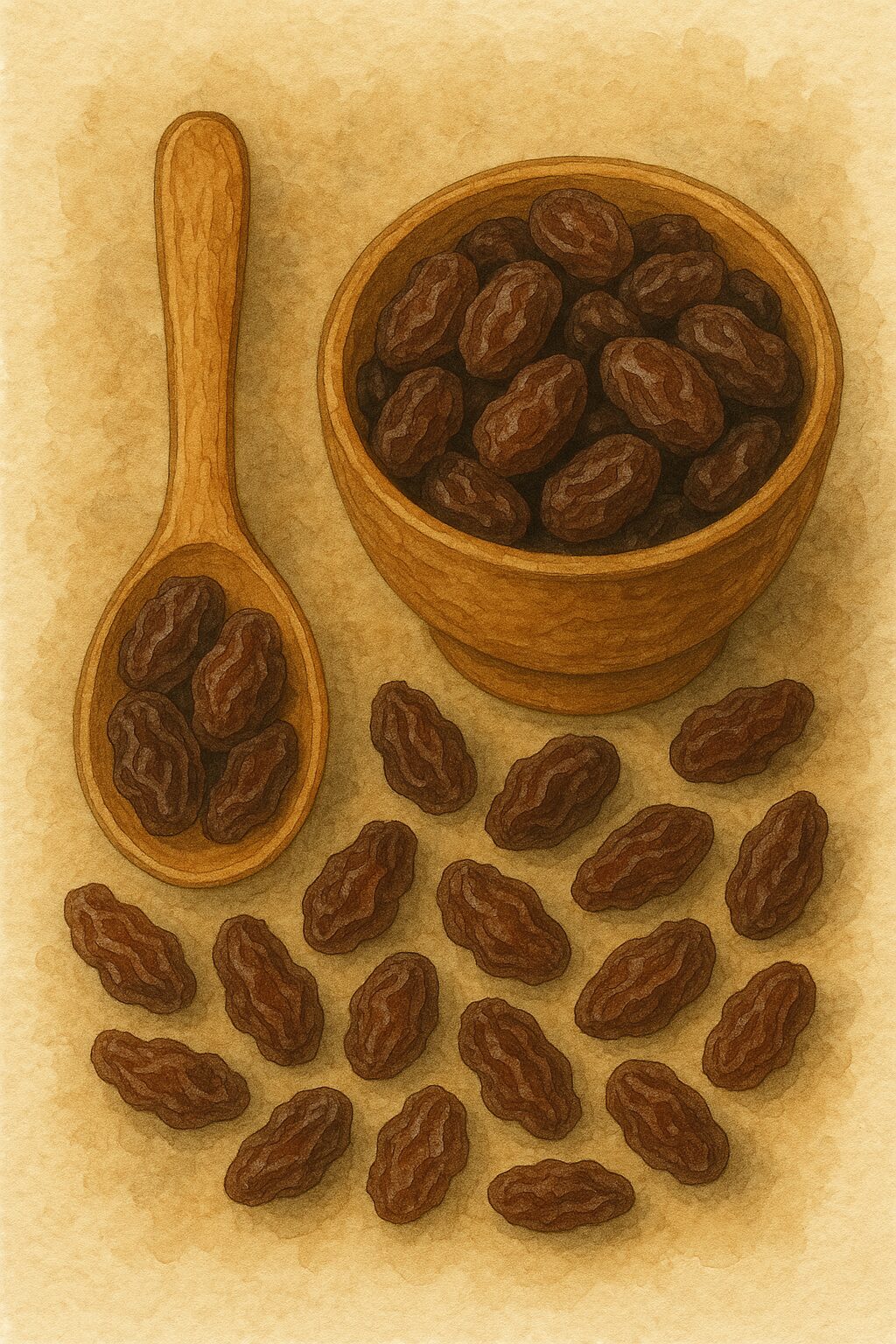
Common Name: Akudjura
Alternate names include Bush Tomato, Bush Raisin, Bush Sultana, Desert Raisin, and Kutjera
Scientific Name: Solanum centrale
Editorial Note: This entry is part of The Culinary Compendium’s ongoing ingredient archive and will be expanded as new sources are examined.
History: Bush tomatoes are wild-harvested fruit native to the heart of Australia. Among the oldest spices known to man, they have been used by the Australian Aborigines for thousands of years.
Interesting Facts: Akudjura was one of the first commercialized indigenous Australian spices.
Bush tomatoes thrive after bushfires. The amount of fruit on the vine will steadily decrease as the years pass until the next bush fire, starting the cycle over again.
Uses: The bush tomato’s high acidity and Vitamin C content help preserve it for storage over long periods. Aborigines would grind it into paste and store it in the forks of trees for later use.
Selection & Storage: Bush tomatoes contain glycoalkaloids, which are poisonous when unripe. They also bear a similar appearance to wild tomatoes (Solanum quadriloculatum), which are toxic. It is important to be accompanied by someone who is experienced in identifying bush tomatoes to avoid misidentification.
Look for fruit that is similar in texture to a chewy raisin; any softer and the fruit may not have dried sufficiently.
Store in an airtight container away from extreme heat, light, and humidity. Under the right conditions, akudjura can be stored for 2-3 years.
Taste Rating: ☆☆☆☆☆
Akudjura is not yet rated.
The Culinary Compendium is a working archive. If you have encountered this ingredient in your own research, regional cooking, historical sources, or family tradition. I invite you to leave a note below. Each entry grows richer with time.
Leave a Reply
You must be logged in to post a comment.