
-
Common Name: Tea The name comes from the word “t’e” (character: 茶; pronounced: tay) in the Amoy dialect, which is spoken in Fujian province in southeastern China. This region, around Xiamen, a historic tea port once known as Amoy, is where the Dutch first encountered the beverage. The Mandarin word for tea is “cha”, which…
-
Common Name: Parsnip Scientific Name: Pastinaca sativa Editorial Note: This entry is part of The Culinary Compendium’s ongoing ingredient archive and will be expanded as new sources are examined. History: The parsnip is native to Eurasia, particularly the Mediterranean. It was known to both the ancient Greeks and Romans. It was an important staple in Europe…
-
Common Name: Tequila Editorial Note: This entry is part of The Culinary Compendium’s ongoing ingredient archive and will be expanded as new sources are examined. History: Tequila is an alcoholic spirit made from the steamed hearts of the agave plant. In the 19th century, the term “tequila” applied to any mezcal made in the area surrounding…
-
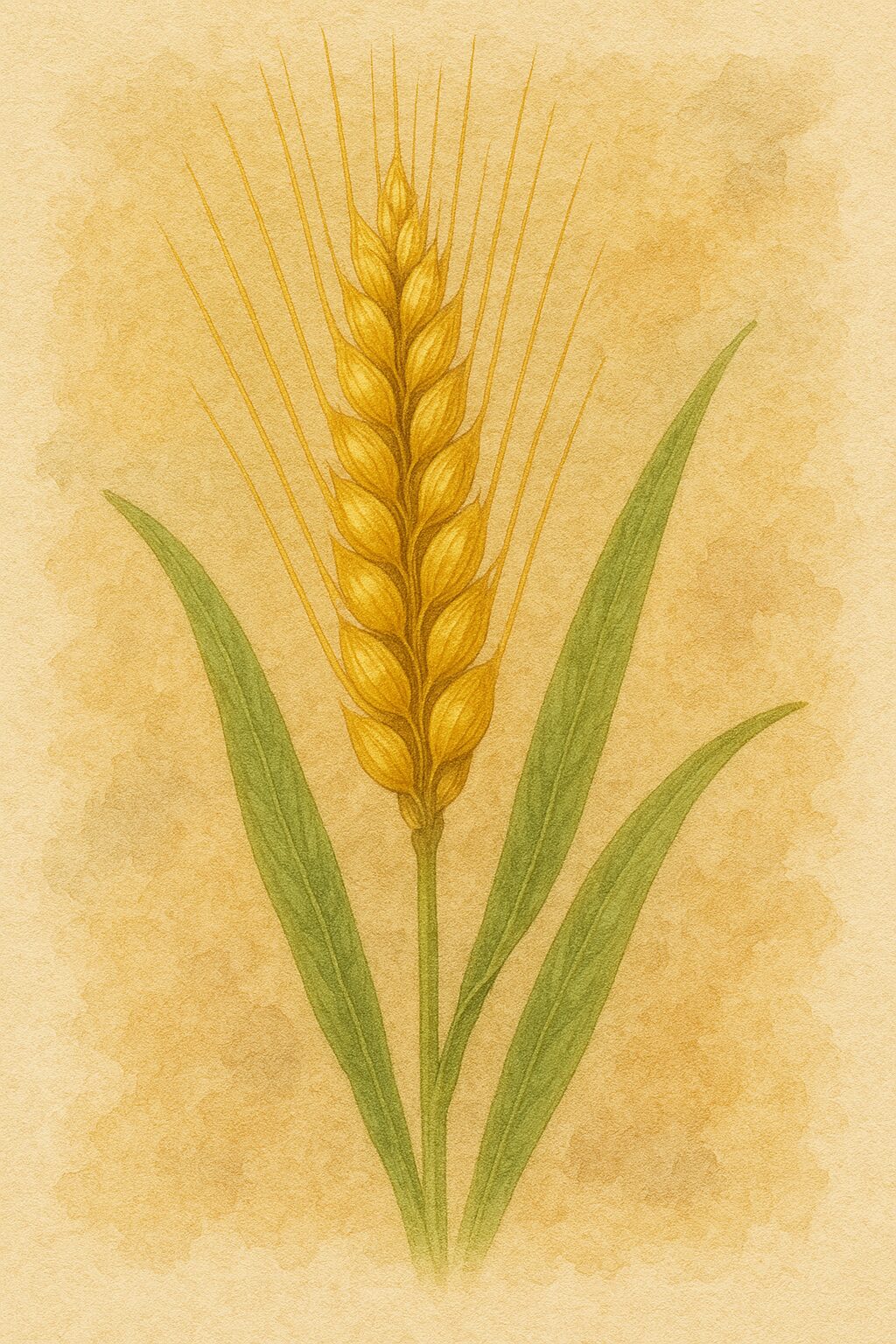
Common Name: Barley Scientific Name: Hordeum vulgare History: Barley evolved from the wild species Hordeum spontaneum, which still grows in the Fertile Crescent region. It was domesticated around 10,000 years ago, when ancient farmers noted its rapid growth and resilience to poor soil and dry conditions. Alongside einkorn and emmer wheat, this grain helped usher in…
-
Common Name: Nettle Scientific Name: Urtica dioica The scientific name “Urtica” comes from the Latin word “urere” meaning “burn”, a trait that gives the plant its common name, Stinging Nettle. Editorial Note: This entry is part of The Culinary Compendium’s ongoing ingredient archive and will be expanded as new sources are examined. History: Nettle is a…
-
Common Name: Sweet Potato Scientific Name: Ipomoea batatas Editorial Note: This entry is part of The Culinary Compendium’s ongoing ingredient archive and will be expanded as new sources are examined. History: The sweet potato is a member of the morning glory family and is native to South America, where it has been cultivated for approximately 5,000…
-
Common Name: Mountain Sorrel An alternate name is Arctic Sorrel. Scientific Name: Oxyria digyna The scientific name “Oxyria” comes from the Greek word “oxys”, meaning “sharp” or “acidic”, a reference to its sour taste. Editorial Note: This entry is part of The Culinary Compendium’s ongoing ingredient archive and will be expanded as new sources are…
-
Common Name: Dulse The English name is derived from the seaweed’s Gaelic name “duileasc.” Scientific Name: Palmaria palmata (formerly Rhodymenia palmata) The scientific name comes from the Latin word “palma”, meaning hand. This is in reference to the hand-like shape of the seaweed. Editorial Note: This entry is part of The Culinary Compendium’s ongoing ingredient…
-
Common Name: Sea Grapes Scientific Name: Caulerpa lentillifera Editorial Note: This entry is part of The Culinary Compendium’s ongoing ingredient archive and will be expanded as new sources are examined. History: Sea grapes are a type of green algae native to the Pacific coastal regions of Asia. Traditionally, it was wild-harvested, however, it first became commercially…
-
Common Name: Crowberry Alternate names include Moss Berry or Blackberry (not to be confused with the common blackberry, which is Rubus fruticosus) Scientific Name: Empetrum nigrum The scientific name comes from the Greek words “en” and “petros”, meaning “on a rock”, and the Latin “nigrum”, meaning “black” and referencing the color of the ripe fruit.…