
Tag: European Ingredients
-
Common Name: Parsnip Scientific Name: Pastinaca sativa Editorial Note: This entry is part of The Culinary Compendium’s ongoing ingredient archive and will be expanded as new sources are examined. History: The parsnip is native to Eurasia, particularly the Mediterranean. It was known to both the ancient Greeks and Romans. It was an important staple in Europe…
-
Common Name: Nettle Scientific Name: Urtica dioica The scientific name “Urtica” comes from the Latin word “urere” meaning “burn”, a trait that gives the plant its common name, Stinging Nettle. Editorial Note: This entry is part of The Culinary Compendium’s ongoing ingredient archive and will be expanded as new sources are examined. History: Nettle is a…
-
Common Name: Mountain Sorrel An alternate name is Arctic Sorrel. Scientific Name: Oxyria digyna The scientific name “Oxyria” comes from the Greek word “oxys”, meaning “sharp” or “acidic”, a reference to its sour taste. Editorial Note: This entry is part of The Culinary Compendium’s ongoing ingredient archive and will be expanded as new sources are…
-
Common Name: Dulse The English name is derived from the seaweed’s Gaelic name “duileasc.” Scientific Name: Palmaria palmata (formerly Rhodymenia palmata) The scientific name comes from the Latin word “palma”, meaning hand. This is in reference to the hand-like shape of the seaweed. Editorial Note: This entry is part of The Culinary Compendium’s ongoing ingredient…
-
Common Name: Sage Sage also means a wise person in English, an etymological reference to its association with mental clarity. Scientific Name: Salvia officinalis Salvia originates from the Latin salvare, meaning “to save” or “to heal.” Editorial Note: This entry is part of The Culinary Compendium’s ongoing ingredient archive and will be expanded as new…
-

From wild-foraged staple to overlooked weed, the dandelion is a resilient plant long valued for its culinary and medicinal uses.
-
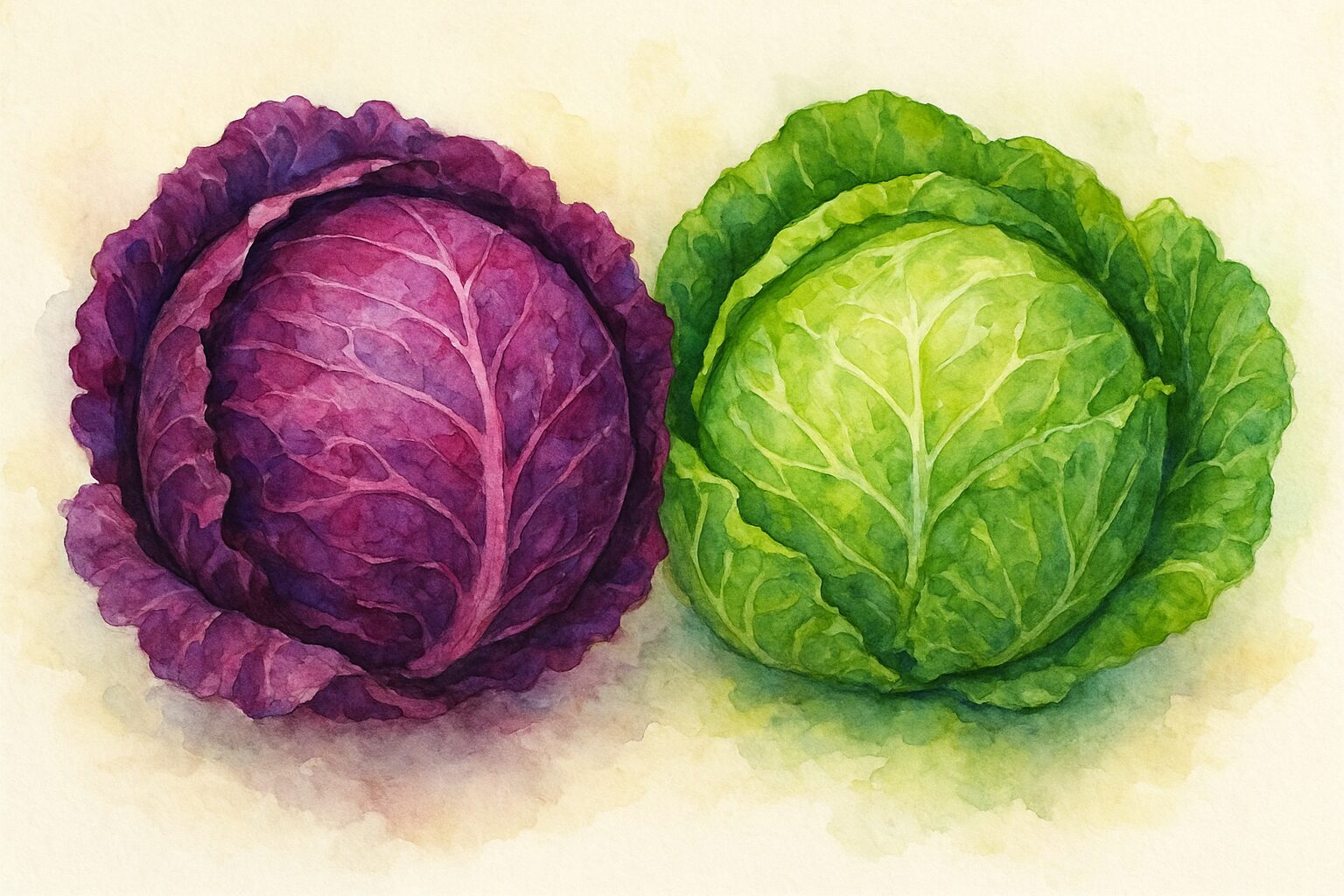
Cabbage is more than just a humble kitchen ingredient; it is a dietary staple in cultures around the world.
-
This distinctive Bulgarian cured sausage combines heritage, flavor, and artisanal craft. Its unique spice blend, flat shape, and long tradition make it a staple in Bulgarian cuisine and a culinary curiosity for international food enthusiasts.
-

From ancient tables to modern teacups, spearmint has carried with it a reputation for coolness, clarity, and comfort.
-
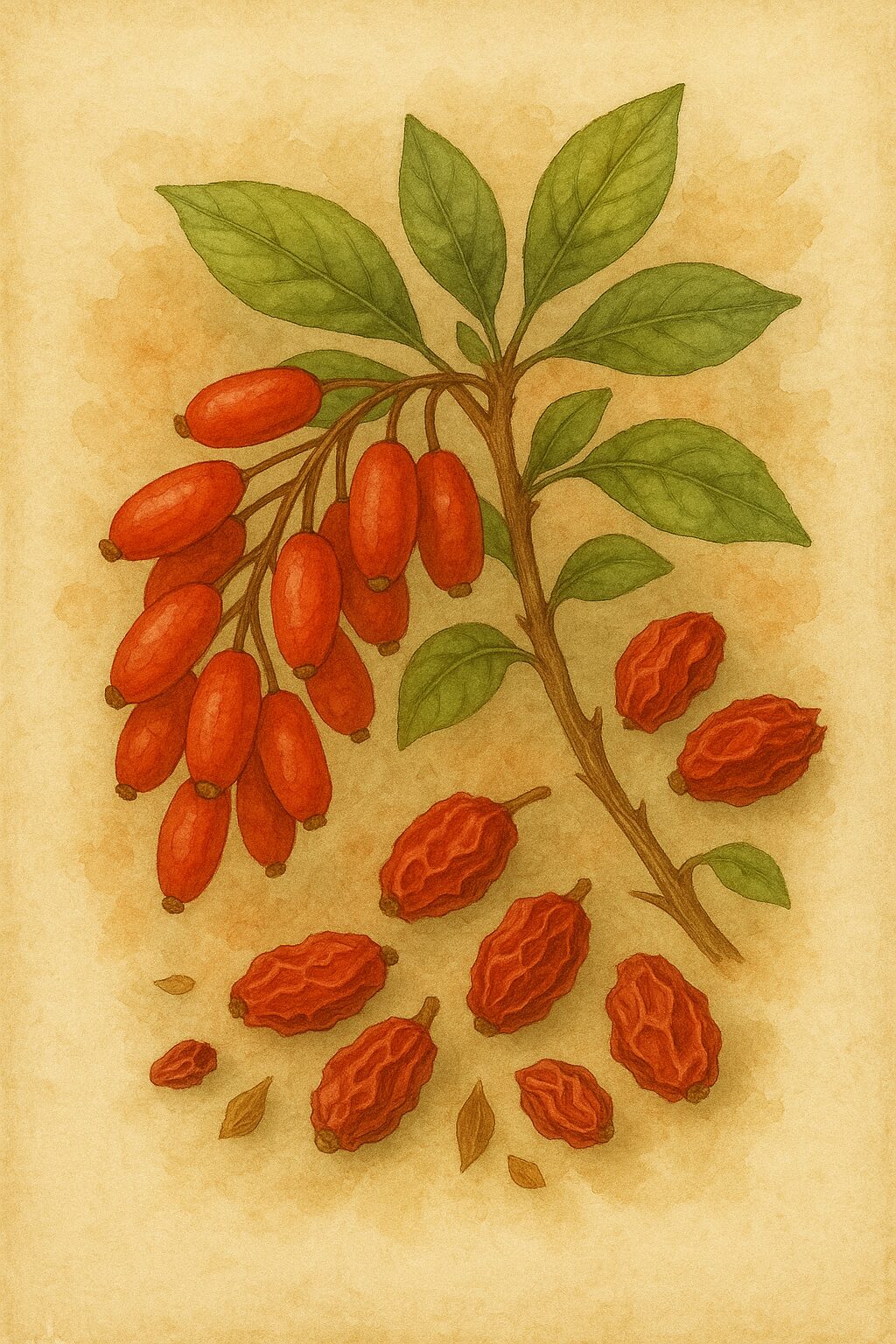
Common Name: Barberry Alternate names are Berberry, European Barberry, Holy Thorn, Jaundice Berry, Pipperidge Bush, Sowberry, Zareshk Scientific Name: Berberis vulgaris The name Berberis is derived from the Arabic “berberys”, which has no direct English translation. However, it is speculated that it may be a reference to the plant’s shiny leaves. Editorial Note: This entry…