
Tag: Mediterranean Ingredients
-
Common Name: Sage Sage also means a wise person in English, an etymological reference to its association with mental clarity. Scientific Name: Salvia officinalis Salvia originates from the Latin salvare, meaning “to save” or “to heal.” Editorial Note: This entry is part of The Culinary Compendium’s ongoing ingredient archive and will be expanded as new…
-

Halloumi is more than just a cheese; it’s a unique, cultural icon of Cyprus and a well-loved snack throughout the world.
-
Common Name: Thyme The name “thyme” likely comes from the Greek “thumos”, meaning “spirit” or “courage,” but some also trace it to “thymon”, meaning “to fumigate,” a nod to its use as incense. Scientific Name: Thymus vulgaris Editorial Note: This entry is part of The Culinary Compendium’s ongoing ingredient archive and will be expanded as…
-
Common Name: Marjoram The name “marjoram” comes from Latin “majorana”, meaning “bringer of joy” or “delight.” Scientific Name: Origanum majorana Editorial Note: This entry is part of The Culinary Compendium’s ongoing ingredient archive and will be expanded as new sources are examined. History: Sweeter and more delicate than its cousin, oregano, marjoram has long been a…
-
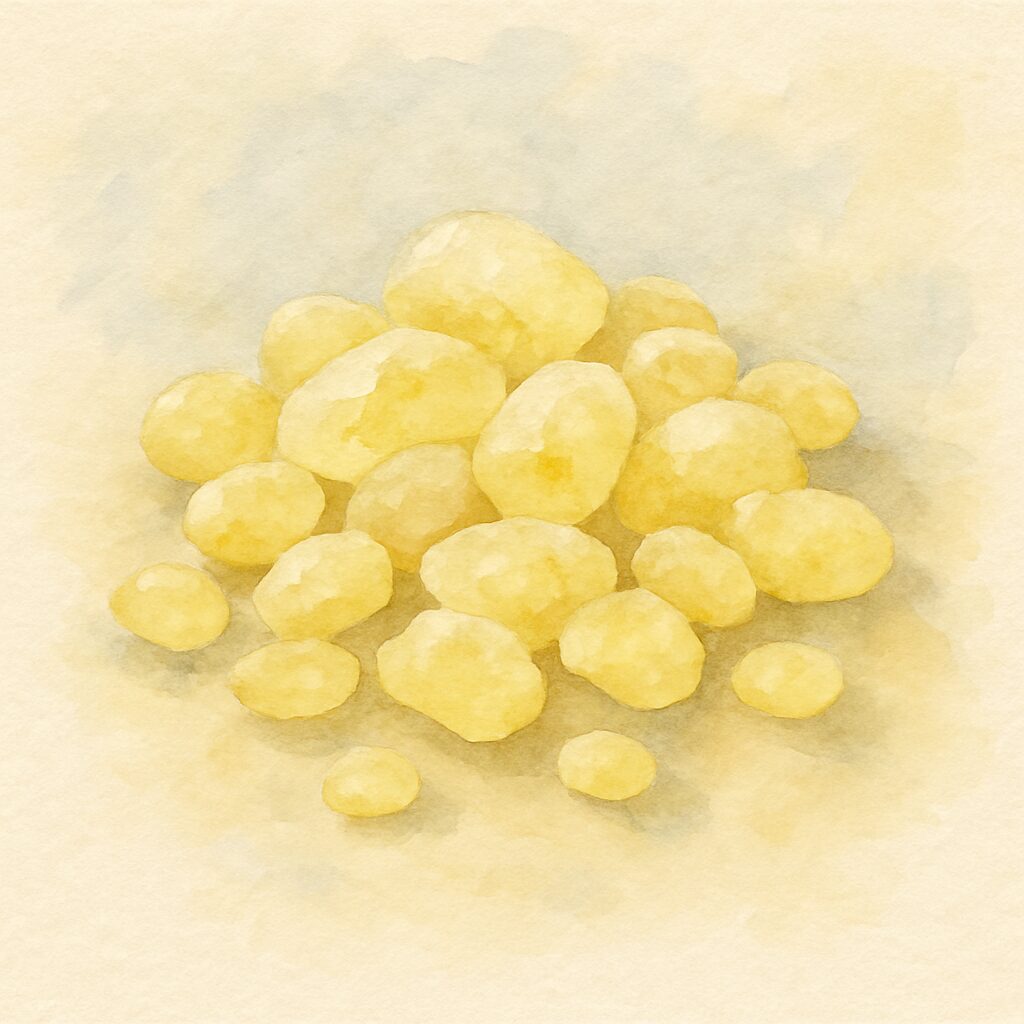
Common Name: Mastic Gum The name “mastic” comes from the Greek “mastikhan”, meaning “to knash the teeth”, a reference to its early use as chewing gum. Alternative names are Chios Mastiha, Mastix, and Arabic Gum (not to be confused with Gum Arabic). Scientific Name: Pistacia lentiscus var. chia Editorial Note: This entry is part of…
-

Common Name: Rosemary The name rosemary comes from the Latin phrase “ros marinus”, meaning “dew of the sea” in reference to the seaside cliffs where it prefers to grow. Scientific Name: Salvia rosmarinus (formerly Rosmarinus officinalis) Editorial Note: This entry is part of The Culinary Compendium’s ongoing ingredient archive and will be expanded as new…
-
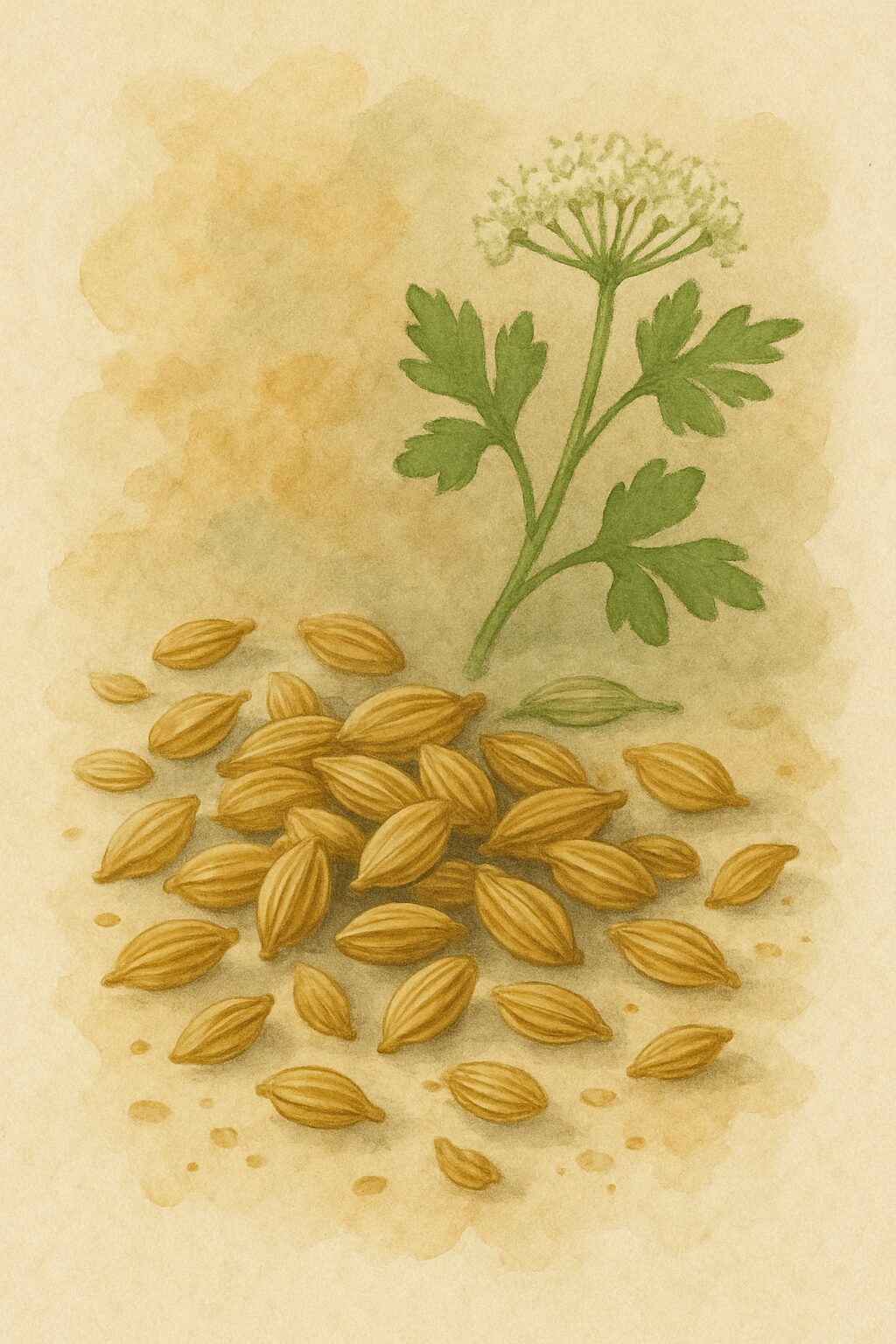
Anise has been valued since antiquity for its sweet, licorice-flavored seeds.