
-

Common Name: Orange Scientific Name: Citrus sinensis Editorial Note: This entry is part of The Culinary Compendium’s ongoing ingredient archive and will be expanded as new sources are examined. History: Oranges are not a naturally occuring fruit. Instead, they are a man-made hybrid originating from ancient crossings of the pomelo (Citrus maxima) and the mandarin (Citrus…
-
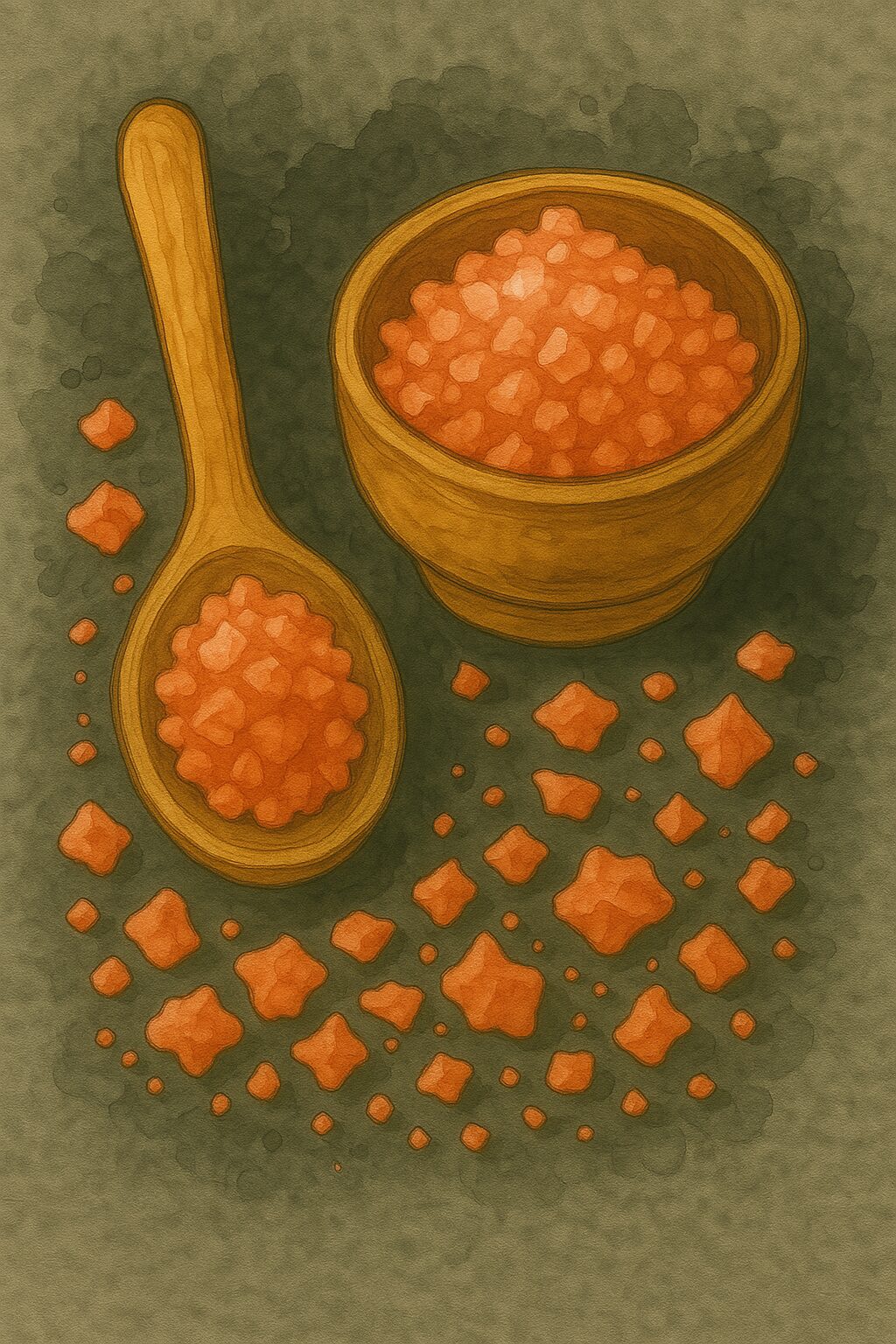
Alaea salt is a traditional Hawaiian sea salt distinguished by its rust-red hue. The alluring color results from mixing unrefined sea salt with ‘alaea, a naturally occurring volcanic clay rich in iron oxide.
-

Common Name: Clove Dried cloves resemble small, dark brown nails, which is fitting since the name comes from the French “clou”, meaning nail. Scientific Name: Syzygium aromaticum The genus Syzygium is Latin for joined together, referencing the bud and stem. Editorial Note: This entry is part of The Culinary Compendium’s ongoing ingredient archive and will…
-
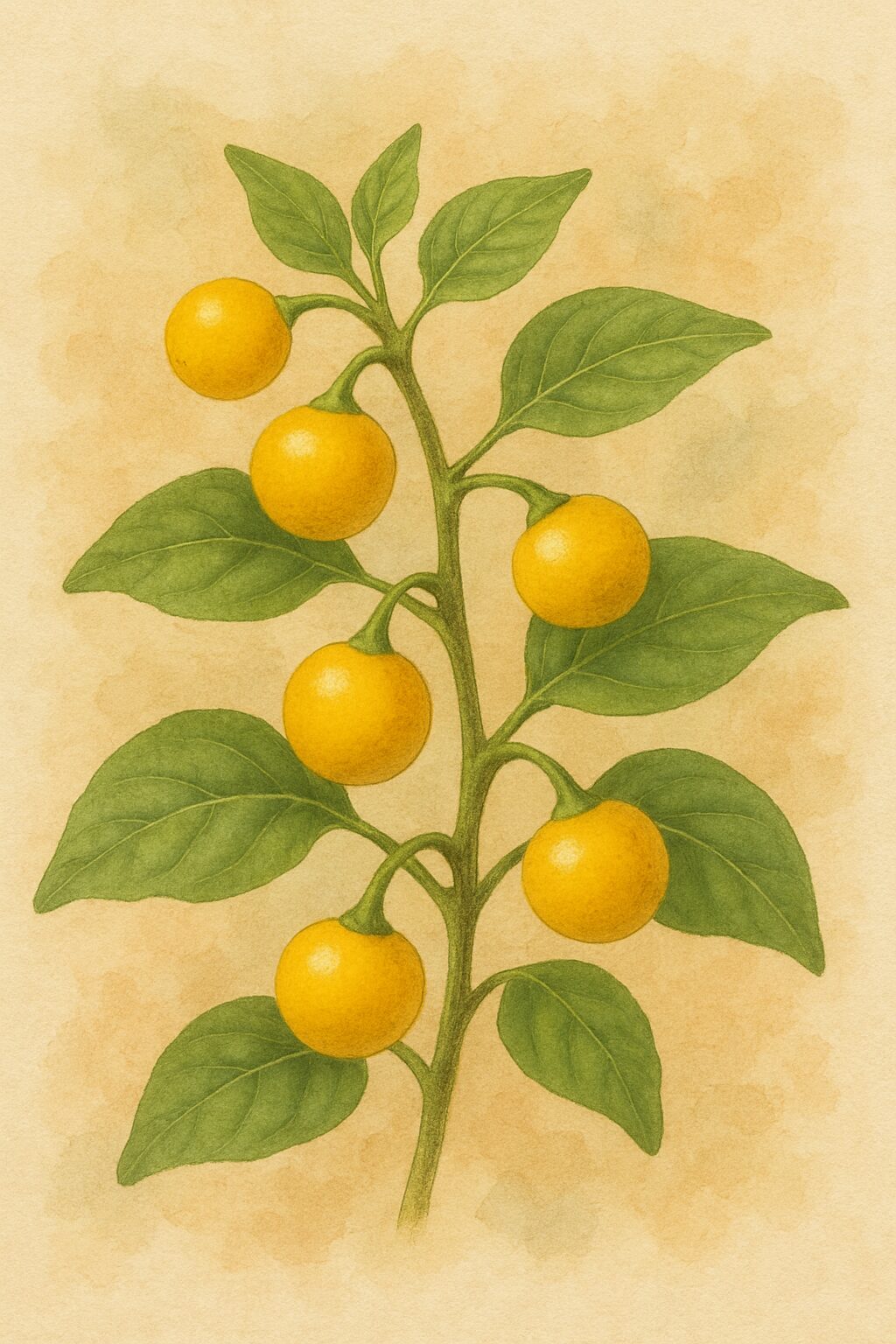
Ají Charapita is an elusive treasure from deep within Peru’s northern rainforests.
-

Common Name: Basil The name comes from the Greek basilikón phutón, meaning royal plant. Alternate names include Sweet Basil and Saint Joseph’s Wort. Scientific Name: Ocimum basilicum Editorial Note: This entry is part of The Culinary Compendium’s ongoing ingredient archive and will be expanded as new sources are examined. History: Although basil is deeply connected with…
-

Common Name: Rosemary The name rosemary comes from the Latin phrase “ros marinus”, meaning “dew of the sea” in reference to the seaside cliffs where it prefers to grow. Scientific Name: Salvia rosmarinus (formerly Rosmarinus officinalis) Editorial Note: This entry is part of The Culinary Compendium’s ongoing ingredient archive and will be expanded as new…
-

Star-shaped and sweetly scented, star anise is one of the world’s most enchanting spices.
-
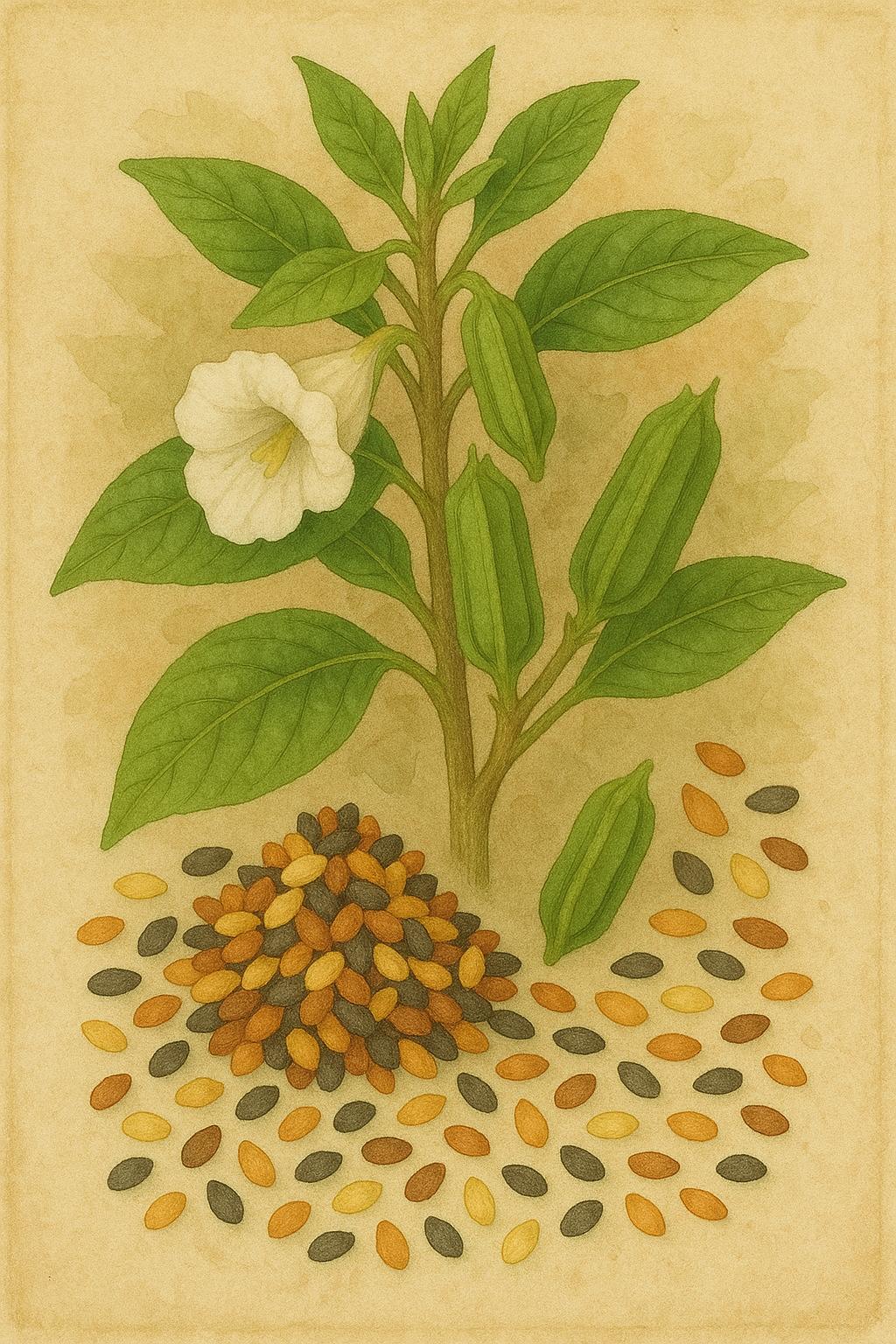
Common Name: Sesame The name “sesame” is derived from two words in the ancient Akkadian language that meant “oil” and “plant.” This is possibly in reference to its earliest use as an oilseed. Scientific Name: Sesamum indicum Editorial Note: This entry is part of The Culinary Compendium’s ongoing ingredient archive and will be expanded as…
-
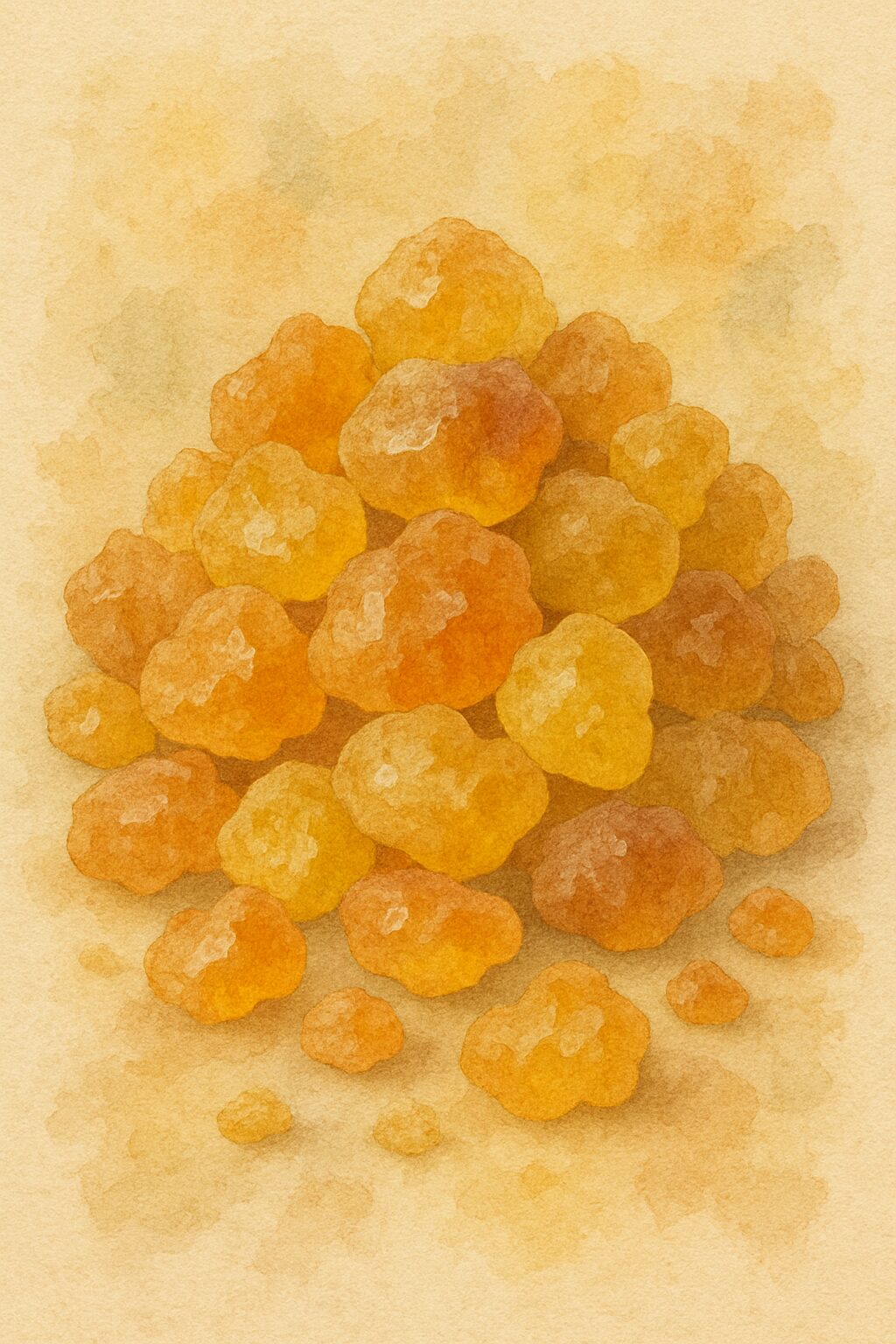
Common Name: Gum Arabic Alternate names are Acacia Gum and E414. Scientific Name: Acacia senegal Editorial Note: This entry is part of The Culinary Compendium’s ongoing ingredient archive and will be expanded as new sources are examined. History: Gum Arabic is a natural resin harvested from the sap of the Acacia tree. The acacia trees that…
-
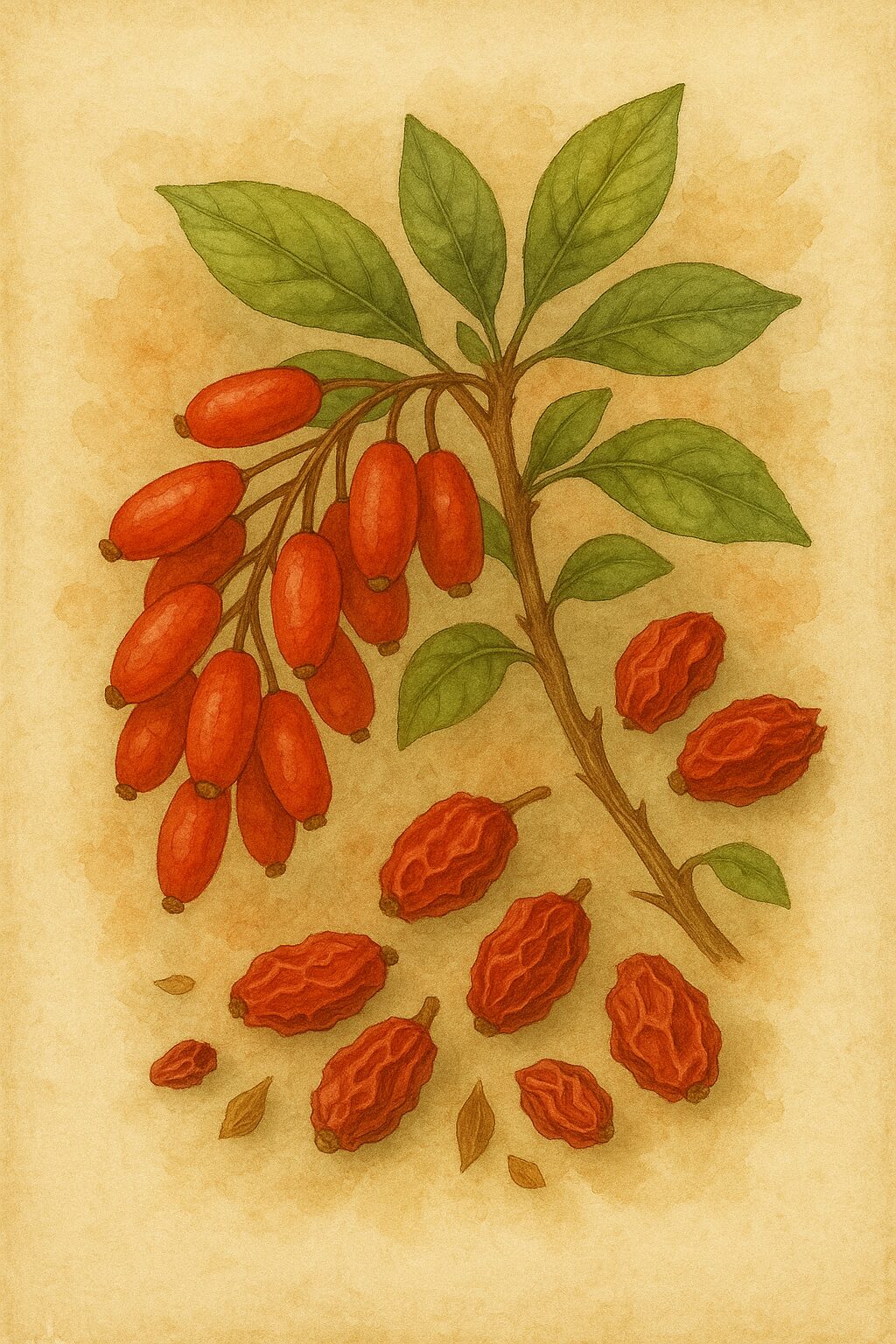
Common Name: Barberry Alternate names are Berberry, European Barberry, Holy Thorn, Jaundice Berry, Pipperidge Bush, Sowberry, Zareshk Scientific Name: Berberis vulgaris The name Berberis is derived from the Arabic “berberys”, which has no direct English translation. However, it is speculated that it may be a reference to the plant’s shiny leaves. Editorial Note: This entry…